
Trauma is often misunderstood as a moment. Neuroscience teaches us that trauma is rarely a moment; it is what happens inside the brain, body, and spirit when a person is exposed to experiences they are unable to fully process, understand, or escape.
For many children, trauma does not always arrive wearing the face of violence. Sometimes it arrives disguised as culture, tradition, silence, obedience, or unquestioned authority.
I grew up within a Nigerian culture that deeply values respect for elders. Respect is one of our greatest virtues. Children are taught to greet elders properly, obey instructions, run errands, and never question authority. These values can build strong communities and family bonds.
Yet there is a painful reality we do not discuss often enough.
Sometimes adults misuse the power that culture gives them.
Sometimes children are taught to obey before they are taught to recognize danger.
Sometimes respect becomes silence.
And silence becomes survival.
I was that girl.
As a child, I learned that adults were to be trusted. I learned that questioning them was considered disrespectful. I learned to comply. What I did not know was that some adults could take advantage of that innocence.
Neuroscience tells us that when a child experiences fear, shame, violation, or persistent emotional distress, the brain’s threat detection system becomes activated. The amygdala the brain’s alarm center, begins scanning constantly for danger. The nervous system learns to survive rather than thrive.
The child may leave the situation physically, but the body remembers.
Years later, the same child may struggle with trust, boundaries, self-worth, or feelings of safety.
The brain becomes wired for vigilance.
The heart becomes conditioned for disappointment.
The soul becomes exhausted from carrying burdens it was never meant to hold.
For many survivors, trauma does not end when the event ends. It evolves into fear. Fear becomes hypervigilance. Hypervigilance becomes survival. Survival becomes isolation.
The result is often a painful cycle of feeling misunderstood, stigmatized, rejected, or unseen.
The world may see a strong woman.
But beneath that strength may be a little girl who learned that safety was never guaranteed.
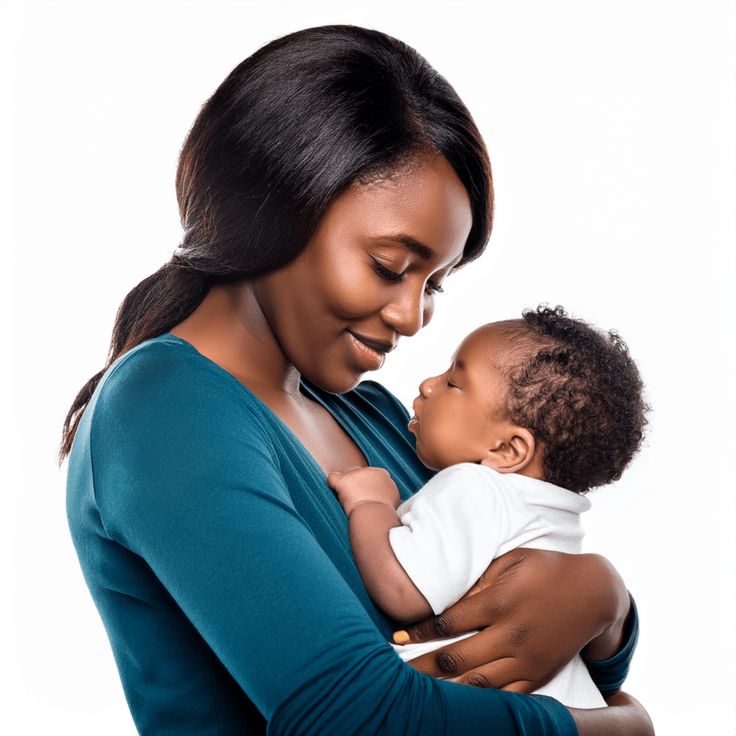
Today, I am a mother of four daughters.
For thirteen years, motherhood has transformed me in ways I never anticipated.
It has been beautiful.
It has been exhausting.
It has been healing.
And at times, it has reopened wounds I thought had long disappeared.
Motherhood has a remarkable way of introducing us to our younger selves.
Every milestone my daughters reach reminds me of the child I once was.
Every moment they leave my sight reminds me of the fears I carry.
Every lesson I teach them about boundaries, consent, self-worth, and courage is also a lesson I am teaching my younger self.
People often assume that immigration to a country like Canada automatically eliminates these fears.
It does not.
Different countries may have different systems, but the vulnerabilities of childhood remain universal.
As a mother, I sometimes find myself asking difficult questions.
Who is watching my children?
Who has access to them?
Will they recognize danger?
Will they know their voice matters?
Will they know they can tell me anything?
These fears are not signs of weakness.
They are the echoes of experiences that shaped my nervous system long before I became a mother.
Neuroscience calls this intergenerational trauma.
But neuroscience also teaches us something equally powerful:
The brain can heal.
The nervous system can heal.
The cycle can end.
Every time we speak our truth, we challenge shame.
Every time we create safe spaces for children, we challenge fear.
Every time we believe survivors, we challenge silence.
Every time we choose healing, we teach the brain that the danger has passed.
The most profound lesson I have learned is this:
Healing is not forgetting.
Healing is remembering without reliving.
Healing is learning that survival is not the same as living.
Healing is understanding that our stories can become bridges rather than prisons.
My inner child does not need perfection.
She does not need revenge.
She does not need the world to undo what happened.
She needs what every child deserves:
Safety.
Compassion.
Validation.
Rest.
And perhaps that is what so many survivors are truly seeking not merely recovery, but rest.
A deep and sacred rest that comes from finally knowing that what happened to us does not define who we are.
To every reader carrying wounds from childhood, I offer this hope:
The chapters that hurt you do not have to be the chapters that define you. Your nervous system may have learned fear, but it can also learn safety. Your heart may have learned survival, but it can also learn peace. And even after years of carrying invisible burdens, healing remains possible.
The child within you deserves rest, and the future version of you is waiting to meet the person you become when healing finally feels safe enough to begin.
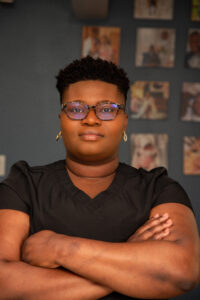
Serah Blessing
From W.O.M.B Holistic Maternal & Family Wellness
Empowering Women, Empowering Generations
Website: www.wombhmfw.com